Choosing the Right Crochet Toy Patterns for Your Amigurumi Journey
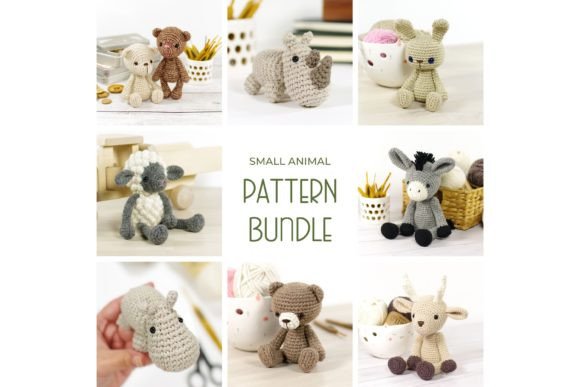
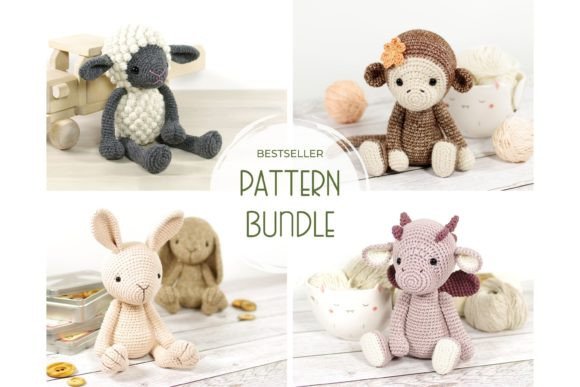
Crafting a unique companion from yarn requires more than just a hook and some imagination; it demands a structured approach that balances creativity with technical precision. This is where Crochet Toy Patterns distinguishes itself as a premier resource for enthusiasts looking to create high-quality amigurumi animals. Unlike generic tutorials found on social media or fragmented blog posts, this collection offers a cohesive ecosystem designed specifically for those who want to master the art of stuffed toys without getting lost in confusing terminology.
The core value of these patterns lies in their accessibility. They are explicitly written with beginner crocheters in mind, ensuring that even if you have only mastered the chain stitch and single crochet, you can still produce professional-looking results. The distinction here is not merely about the end product but about the educational journey provided alongside the instructions. Every pattern includes detailed text, step-by-step photos, and a dedicated section explaining all amigurumi-specific techniques used. This comprehensive support system transforms a simple hobby into a skill-building experience.
Evaluating the Learning Curve and Instructional Depth
When comparing various resources for learning to crochet toys, the primary differentiator is often the clarity of instruction. Many online options assume a baseline knowledge of advanced techniques or rely heavily on video demonstrations that may skip over critical details. In contrast, the approach taken by Crochet Toy Patterns prioritizes textual clarity paired with visual aids.
For a beginner, the transition from flat crochet pieces to three-dimensional amigurumi can be daunting. The standard challenges include maintaining consistent tension, managing increases and decreases to create curves, and sewing parts together seamlessly. These patterns address these hurdles directly. By including useful tips and tricks within the main body of the pattern, the designer anticipates common pitfalls before they occur. For instance, understanding how to stuff an animal evenly without creating lumps is a specific skill that is often glossed over in other formats. Here, it is treated as a fundamental component of the process.
This methodical structure makes the patterns distinct from freeform knitting guides or unstructured DIY videos. While video content is excellent for seeing motion, it can sometimes obscure the logic behind a stitch count. Text-based patterns allow the maker to pause, read, and verify their work at every round. When combined with the included photos, this creates a robust learning environment that supports both visual and logical learners.
Comparison with Alternative Learning Formats
To make an informed decision, it is helpful to compare this resource against other common ways people learn to crochet toys. Below is an analysis of how these patterns stack up against typical alternatives.
- Video Tutorials: While dynamic, videos often lack the ability to reference specific stitch counts easily. If you miss a detail, you must rewind and rewatch. With Crochet Toy Patterns, the information is static and searchable, allowing you to jump straight to the "stuffing" section or the "finishing touches" without watching hours of footage.
- Generic Knitting Patterns: Although similar, knitting amigurumi requires circular needles and often involves complex cable structures that differ significantly from the spiral crochet method. These patterns focus exclusively on crochet, meaning there is no need to translate knitting abbreviations (like K or P) into crochet terms (SC or DC).
- Commercial Kits: Buying a kit provides pre-measured yarn and buttons, which is convenient but limits customization. A major advantage of using these digital patterns is the freedom to choose your own yarn weight, color palette, and fiber type. You are not locked into a specific aesthetic dictated by a manufacturer.
The tradeoff with choosing a pattern-only format is that you must source your own materials. However, this flexibility allows for greater experimentation. If you want to make a bear out of recycled denim yarn or a soft alpaca blend, you can do so immediately without waiting for a kit shipment. The patterns provide the blueprint, while you provide the creative material choices.
Technical Specifics and Amigurumi Techniques
One of the most significant advantages of this collection is the dedicated section explaining amigurumi-specific techniques. Even if you know basic crochet stitches, amigurumi introduces unique requirements such as working in a continuous spiral rather than joining rounds with a slip stitch. This technique prevents visible seams and is crucial for the smooth appearance of toy bodies.
The patterns demystify these concepts. Instead of assuming the reader knows what "working in the back loop only" means for stuffing purposes, the instructions break down the mechanics. This is particularly valuable for adults aged 20–50 who may be returning to crafting after a long hiatus or switching from other hobbies like baking or woodworking. The language used is precise yet encouraging, avoiding the overly technical jargon that can intimidate newcomers.
Furthermore, the inclusion of step-by-step photos serves as a safety net. Visual confirmation of what a completed round should look like helps prevent errors early in the project. Once a mistake is made in the foundation of a toy, it can compound as the project grows larger. These visual cues allow for immediate correction, saving time and frustration. This level of detail is often absent in free patterns found on random blogs, which may feature a photo of the finished item but lack images of intermediate stages.
Decision Factors: When to Choose These Patterns
Selecting the right resource depends heavily on your current goals and experience level. Understanding when Crochet Toy Patterns is the right choice versus when another option might be better is essential for a satisfying crafting experience.
Best-Fit Situations:
- You are a total beginner to amigurumi: If you have never made a stuffed toy before, the combination of text, photos, and technique explanations is invaluable. It removes the guesswork associated with starting a new craft.
- You value customization: If you want to design your own variations of the animals—changing sizes, colors, or accessories—these patterns provide the structural knowledge needed to adapt the designs confidently.
- You prefer self-paced learning: Unlike live classes or scheduled workshops, these patterns allow you to work at your own speed. You can spend an hour reading the introduction and then take weeks to complete the actual stitching.
When to Consider Alternatives:
There are scenarios where these patterns might not be the optimal choice. If you are looking for a quick, low-cost activity with zero preparation, a pre-made plush toy or a simple, non-technical craft kit might be more suitable. Additionally, if you are an expert crocheter looking for highly complex, avant-garde designs that push the boundaries of traditional amigurumi, you might find these beginner-focused patterns too foundational. However, for the vast majority of makers seeking to build a solid portfolio of handmade gifts, these patterns offer an ideal balance of simplicity and quality.
Practical Applications and Realistic Outcomes
The utility of these patterns extends beyond mere decoration. In a practical sense, handmade toys are becoming increasingly popular as eco-friendly alternatives to mass-produced plastic playthings. Parents and gift-givers often seek items that are safe, washable, and ethically sourced. By following these patterns, you gain full control over the materials used. You can select organic cotton, hypoallergenic polyester filling, and secure safety eyes, ensuring the final product meets high safety standards.
Moreover, the process of creating these toys offers therapeutic benefits. The repetitive nature of crochet is known to induce a state of flow, reducing stress and anxiety. Having clear instructions ensures that the process remains enjoyable rather than frustrating. When the instructions are confusing, the meditative aspect of the craft is broken by the need to constantly troubleshoot. Crochet Toy Patterns preserves the mental peace of the hobby by handling the technical complexity behind the scenes.
It is also worth noting the economic aspect. While purchasing a high-end plush toy can cost upwards of $50 to $100, making one yourself using these patterns typically costs between $10 and $20 in materials. Over time, this savings can be significant, especially if you plan to make multiple items for holidays, birthdays, or charity donations. The ability to sell finished products made with these patterns (with appropriate credit) also opens a door for small business owners looking to start a side hustle without needing expensive software or design skills.
Navigating Rights and Usage
A critical component of any pattern resource is understanding the legal and ethical framework surrounding its use. The guidelines for Crochet Toy Patterns are clear and respectful of intellectual property while encouraging community growth. Copyright © 2024 TÜ Spire reserves all rights to the written instructions and designs. Users are strictly prohibited from selling, redistributing, altering, or publishing the pattern or parts of it.
However, the license does permit the sale of finished physical products. This distinction is vital for aspiring entrepreneurs. It means you can turn your handmade creations into income without infringing on the designer's rights. The request for credit is a reasonable expectation that acknowledges the designer's effort and helps build the brand's reputation. This model fosters a healthy ecosystem where creators are compensated for their ideas through the sale of goods, while the patterns themselves remain accessible for personal use and education.
In conclusion, Crochet Toy Patterns represents a thoughtful, well-researched approach to entering the world of amigurumi. It bridges the gap between simple hobbyist projects and professional-grade craftsmanship by providing the necessary tools, knowledge, and guidance. Whether you are looking to create a comforting companion for a child, a unique gift for a friend, or a stepping stone toward a creative business, this resource offers a reliable foundation. By focusing on clarity, education, and flexibility, it stands out as a superior choice for anyone serious about mastering the art of crochet toys.