Exploring the Cute Kittens Pattern: A Practical Guide for Creative Professionals
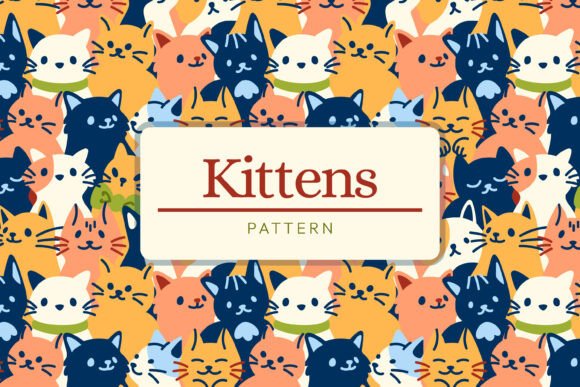
In the vast landscape of digital design assets, finding a graphic set that balances whimsy with professional utility can be a challenging task. The Cute Kittens Pattern has emerged as a notable option for designers seeking to inject personality into their work without sacrificing structural integrity. This collection is defined by its vivid assembly of kittens rendered in a rainbow of hues, creating a visual texture that is both engaging and versatile. Unlike static illustrations that serve a single purpose, this pattern is engineered to function seamlessly across diverse media, from high-resolution print materials to scalable vector graphics.
The core appeal of this resource lies in its adaptability. While many pattern libraries lean heavily toward either rigid geometric structures or chaotic artistic scribbles, the Kitty Pattern occupies a middle ground. It offers a structured repetition that feels organic rather than mechanical. The design features expertly configured elements suitable for Adobe Illustrator, ensuring that users can manipulate scale, color, and composition without losing the crispness required for commercial projects. This technical foundation makes it a robust choice for professionals who need reliability alongside aesthetic charm.
Evaluating Design Distinctiveness and Visual Impact
What sets the Cute Kittens Pattern apart from generic clip art collections is the deliberate curation of its visual language. The use of a "rainbow of hues" suggests a spectrum of colors that are not merely decorative but serve to differentiate layers and create depth within the repeating motif. In a market saturated with monochromatic or pastel-only designs, this approach allows the pattern to stand out on crowded shelves or busy digital feeds. The variation in kitten poses and expressions adds a narrative element to the background, inviting the viewer to pause and discover new details upon closer inspection.
For designers evaluating this asset, the distinction between a simple background image and a functional pattern is crucial. Many low-quality patterns suffer from visible seams or awkward spacing when tiled. The configuration of this specific graphic set addresses these common pitfalls. By utilizing vector-based construction, the pattern maintains its clarity regardless of the output size. Whether scaling down for a favicon or expanding up for a large-format banner, the lines remain clean, and the colors retain their vibrancy. This level of precision is essential for maintaining brand consistency and professional standards.
Comparative Analysis: Contextual Fit and Alternatives
When considering design resources, professionals often weigh the Cute Kittens Pattern against other categories such as abstract textures, floral motifs, or solid color gradients. Each category serves a distinct psychological function in communication design. Abstract textures often convey sophistication and modernity, while floral motifs suggest tradition and nature. The Kitty Pattern, however, taps directly into emotional resonance and playfulness. It is particularly effective in contexts where the goal is to evoke warmth, nostalgia, or joy.
- Abstract Textures: Best for corporate branding, tech interfaces, or minimalist layouts where distraction must be minimized.
- Floral Motifs: Ideal for wedding stationery, botanical guides, or products emphasizing natural ingredients.
- Cute Kittens Pattern: Optimal for children's products, greeting cards, creative book covers, and lifestyle brands targeting an emotional demographic.
It is important to note that the playful nature of the Cute Kittens Pattern is not universally applicable. In sectors requiring strict professionalism, such as legal services, financial reporting, or medical documentation, this style may appear too informal. The decision to use this asset depends heavily on the target audience's expectations. For a 20–50-year-old demographic interested in hobbies, pets, or creative arts, the pattern strikes a balance between maturity and fun. However, for audiences expecting seriousness or minimalism, alternative resources would likely yield better results.
Technical Versatility Across Media
The versatility of the Kitty Pattern extends beyond just visual appeal; it spans multiple application formats. One of the primary strengths of this graphic set is its compatibility with Adobe Illustrator. This software compatibility ensures that the file structure is editable, allowing designers to isolate specific kitten figures, adjust the color palette to match a brand's guidelines, or alter the density of the pattern. This flexibility is a significant advantage over raster-based images (like JPEGs or PNGs), which lose quality when resized and cannot be easily modified.
Practical applications of this pattern include:
- Book Covers: The vivid colors can pique visual interest on library shelves or online marketplaces, signaling a genre that might be lighthearted, illustrated, or aimed at young adults.
- Greeting Cards: The infectious cheer of the design imparts a sense of genuine sentiment, making it perfect for birthdays, holidays, or get-well-soon messages.
- Fabric Designs: When applied to textiles, the repeating nature of the pattern creates a cohesive look for clothing, bedding, or accessories.
- Wrapping Paper: The bright hues make gifts stand out, adding an extra layer of excitement to the unboxing experience.
While these use cases are compelling, they also highlight potential limitations. For instance, printing on dark fabrics may require a white underbase or a modification of the pattern's transparency to ensure the colors pop. Similarly, using the pattern for web backgrounds requires careful consideration of contrast ratios to maintain readability of overlaid text. These tradeoffs are standard in graphic design, but they underscore the importance of understanding the medium before committing to a specific asset.
Decision Factors: When to Choose This Resource
Selecting the right design element involves a process of elimination based on project requirements. The Cute Kittens Pattern is the right choice when the project demands a blend of high visual engagement and emotional connection. It is particularly well-suited for campaigns centered around pet adoption, animal welfare, or community events where a friendly, approachable tone is necessary. The "whimsical charm" mentioned in its description is not just a stylistic flourish; it is a strategic tool for lowering barriers to entry and encouraging user interaction.
However, there are scenarios where this pattern may not be the optimal solution. If a project requires a subtle, understated background that recedes behind typography, the vibrant colors and detailed figures of the Kitty Pattern might compete for attention. In such cases, a more subdued texture or a solid color block would be preferable. Additionally, if the budget is tight, designers must consider whether the cost of a premium vector pack aligns with the project's scope. While the Cute Kittens Pattern offers excellent value through its reusability and editability, free alternatives exist for those with limited resources, though they may lack the same level of polish or technical configuration.
Another critical factor is the longevity of the trend. Patterns featuring animals have a timeless quality, but the specific style of the kittens—whether they are realistic, cartoonish, or stylized—can influence how long the design remains relevant. The varied assembly of hues in this set suggests a modern, inclusive approach that avoids dated color palettes, potentially extending the lifespan of the design in marketing materials.
Maximizing Potential Through Strategic Application
To truly leverage the Cute Kittens Pattern, designers should view it as a foundational element rather than a finishing touch. Integrating the pattern early in the design process allows for a more cohesive final product. For example, when designing a book cover, the pattern could serve as the base layer, with typography layered on top in contrasting fonts to create hierarchy. In fabric design, the pattern might be repeated in different scales to create visual rhythm.
The ability to modify the color scheme is perhaps the most powerful feature of this vector set. A designer working for a brand with a specific blue and gold identity can recolor the rainbow hues to match the brand guidelines while retaining the original shapes and composition. This capability transforms the asset from a fixed image into a dynamic tool, significantly increasing its utility. It allows for customization that is often impossible with pre-made templates or stock photos.
Ultimately, the value of the Cute Kittens Pattern lies in its ability to bridge the gap between technical precision and creative expression. It provides the structural support needed for professional workflows while offering the emotional resonance required to connect with audiences. For designers navigating the complex landscape of visual assets, this pattern represents a thoughtful option that prioritizes both aesthetic quality and practical functionality. By understanding its strengths, limitations, and ideal use cases, professionals can make informed decisions that elevate their projects and deliver meaningful results.